
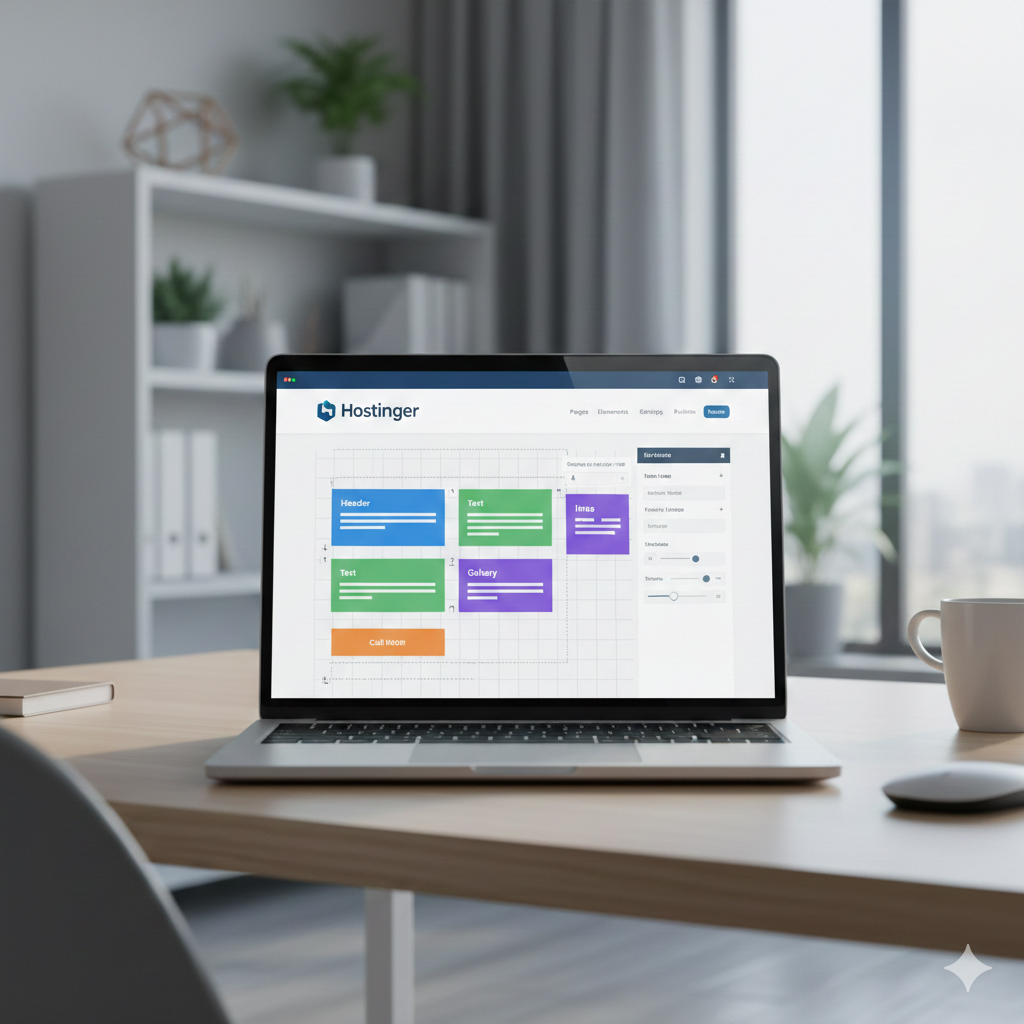
✅ Why Migrate to Hostinger (2025 Update)
Migrating a site to a reliable and affordable host is a crucial step when you want better performance, security, or cost-efficiency. As of 2026, here’s why many site owners are switching to Hostinger:
- Affordable pricing — budget‑friendly plans without compromising on essential features.
- Fast SSD/NVMe hosting & optimized servers — good page load times, improved performance, and better uptime.
- Beginner‑friendly dashboard (hPanel) — easier to manage hosting, domains, SSL, and site settings compared to complex control panels.
- Global data centers + optional CDN — beneficial for international traffic and better latency support.
- Support & helpful tools — including migration support, SSL, backups, and support staff that can help during migration.
If you decide Hostinger fits your needs, this guide will walk you through migrating your website step-by-step — without downtime or data loss.
👉 Start your migration now with discount & hosting plan:
Get Hostinger Hosting & Begin Migration
📦 Pre-Migration Checklist (What You Need Before Starting)
Before migrating your site, ensure the following:
- ✅ Full backup of your website: files + database.
- ✅ Domain and DNS access (domain registrar credentials).
- ✅ FTP / SFTP or cPanel access (from old host).
- ✅ Hosting account set up on Hostinger (correct plan for your site size).
- ✅ SSL certificate readiness (Hostinger provides free SSL).
- ✅ Email/data export if using email hosting.
- ✅ Awareness of downtime window (if any).
Backing up data properly ensures you can restore site if anything goes wrong.
🔧 Step-by-Step Migration: Move Your Website to Hostinger
Here’s a detailed migration process. Use whichever method fits your site setup (WordPress, static, custom, etc.).
1. Sign Up & Set Up Hostinger Hosting
- Use the affiliate link above to sign up.
- Choose a plan that fits your site needs (shared, cloud, etc.).
- Once activated, go to hPanel → Hosting → Manage → File Manager / FTP to prep for file upload.
2. Backup Your Old Site (Files + Database)
- Files: Download all public‑html / web root files via FTP or File Manager, compress to ZIP.
- Database (if using WordPress or DB‑backed CMS): Export via phpMyAdmin or database tool — save as
.sql. - Save backups locally and consider storing a copy offsite (Google Drive, DropBox, etc.).
3. Upload Files to Hostinger
- Using FTP/SFTP or Hostinger File Manager, upload your site files to the
public_htmlfolder. - Extract the ZIP if uploaded compressed. Check that paths are intact.
4. Create & Import Database (If Needed)
If your site uses a database (e.g. WordPress):
- In hPanel → MySQL Databases: create a new database, user, and password.
- Note database name, user, password.
- Import the
.sqlfile via phpMyAdmin (in Hostinger). - Adjust your site’s config file (e.g.
wp-config.php) to match new DB credentials if needed.
5. Update DNS / Domain Settings
- If your domain is registered elsewhere: update the DNS to point to Hostinger nameservers (provided in your hosting panel).
- If domain is with Hostinger or you change name servers — allow up to 24–48 h for propagation.
- Meanwhile, enable SSL (HTTPS) via hPanel → SSL (Hostinger offers free Let’s Encrypt SSL).
6. Test Your Site Thoroughly
Once migration and DNS propagation are done:
- Test homepage, internal links, images, forms, login pages.
- Check site on desktop and mobile.
- Run a speed test (e.g. GTmetrix, PageSpeed) to ensure performance.
- Confirm SSL works (HTTPS), no mixed-content warnings.
- If it’s WordPress: login to admin, permalinks, check plugins/themes compatibility.
7. Email & Other Services Migration (if applicable)
If you had email hosting (mailboxes) with old host, you need to:
- Export old emails (via IMAP or export tool).
- Recreate mailboxes in Hostinger (if included) or set up external email service.
- Update MX records accordingly.
Failure to migrate emails properly can cause data loss — so back them up before changing DNS.
8. Final Tweaks & Launch
- Clear caches, enable CDN (if plan includes), enable caching, optimize images & assets.
- Submit updated sitemap to Google Search Console, Bing, etc.
- Monitor uptime & performance for first 48–72 h.
✅ Post-Migration Checklist: After Your Site Is Live on Hostinger
- Check SSL status, site security, backups.
- Monitor 404 errors, broken links — update permalinks if needed.
- Test site speed, run Core Web Vitals audit.
- Update internal & external links if domain changed.
- Ensure email deliverability (if email hosting used).
- Set up regular backups (weekly/daily as per plan).
🛠️ Special Case: Migrating a WordPress Site
If you’re using WordPress, here are some extra steps:
- Optional: Use a backup & migration plugin (like All‑in‑One WP Migration, Duplicator, or UpdraftPlus) to export & import.
- Update
wp-config.phpwith new database credentials. - Regenerate permalinks (Settings → Permalinks → Save).
- Check plugins/themes compatibility — some caching or security plugins may need re‑setup after migration.
- Test media files — images, uploads — ensure none are missing.
⚠️ Common Migration Mistakes (And How to Avoid Them)
| Mistake | Impact | Prevention |
|---|---|---|
| Forgetting to backup email or database | Data loss, inability to restore site or user data | Always export database & email before touching DNS/files |
| Incorrect database credentials | Site error / database connection failure | Double‑check DB name/user/password before import |
| DNS misconfiguration or delay | Site downtime or domain not loading | Confirm nameservers / DNS records carefully; consider TTL |
| Missing SSL or mixed-content | Security warnings, SEO penalties, user trust issues | Enable SSL & update links to HTTPS |
| Large unoptimized media files | Slow performance, high load times | Optimize/compress images, enable caching/CDN |
| Plugin/theme compatibility issues | Site breakage or layout problems | Deactivate caching/security plugins, test after migration |
🎯 Final Thoughts
Migrating your site doesn’t need to be scary — with proper backup, careful planning, and by following this guide, you can move your site to Hostinger smoothly and safely.
Whether you’re switching from another host, upgrading from a basic plan, or building a new site from scratch — Hostinger offers a compelling mix of affordability, speed, and user‑friendliness.
👉 When you’re ready — start your Hostinger migration journey here:
Begin Hostinger Migration & Get Hosting Discount
Disclosure: This post contains affiliate links. If you purchase through them, I may earn a small commission at no extra cost to you.